
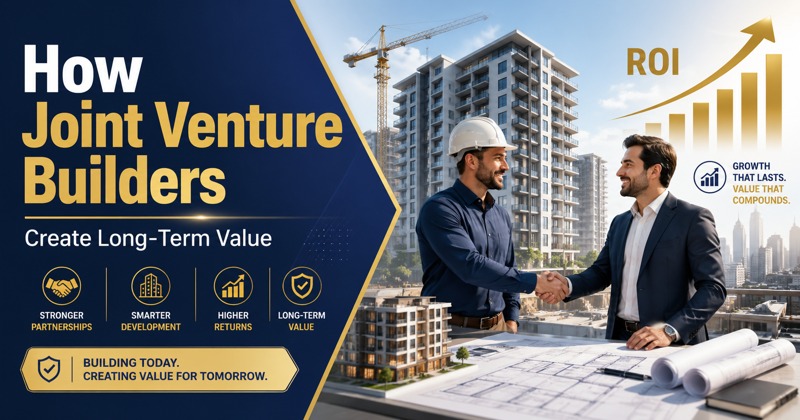
Land ownership in a city like Chennai is often a story of untapped potential. Many families hold onto ancestral property or prime plots for decades, watching the surrounding infrastructure evolve while their specific asset remains dormant. The transition from owning “dead capital” to a high-yielding modern asset is complex, which is why most successful landowners now look toward JV Builders in Chennai to bridge the gap between possession and profit. It is a decision that moves beyond a simple construction contract. It is a strategic move to secure multi-generational wealth.
The Logic of the Shared Stakes
The traditional model of selling land for a lump sum is becoming less attractive for those who understand the trajectory of Chennai’s real estate. When you sell, you exit. When you enter into a real estate joint venture, you remain part of the growth story. The value of land does not just come from its square footage; it comes from what can be built upon it under current FSI (Floor Space Index) regulations. Most individual owners lack the liquidity or the technical machinery to maximize this.
Experienced builders for joint ventures bring a different perspective. They see a plot and immediately calculate the setback requirements, the optimal number of units, and the premium that can be charged for modern amenities. This expertise transforms a static asset into a recurring revenue stream or a high-value residential portfolio. You aren’t just getting a building; you are getting an optimized version of your property that the open market will actually pay for.
Structural Advantages of the Partnership
A real estate partnership is effectively a shield against administrative paralysis. In Chennai, the gap between a plan and a physical building is filled with CMDA scrutiny, Metro Water connections, and RERA compliance. A minor clerical mismatch in a layout can halt work for an entire quarter. Professional developers maintain direct oversight of these processes, managing the liaison work that usually overwhelms individual owners.
- Legal Fortification: Every joint venture begins with a clear sharing ratio. This isn’t just about percentages. It is about title verification and ensuring the land is free from encumbrances.
- Architectural Efficiency: A common mistake in self-construction is wasted space. Professionals use every inch. They understand how a well-placed balcony or a ventilated utility area increases the resale value of the owner’s share.
- Capital Preservation: The landowner provides the land, and the builder provides the capital. This means the owner doesn’t have to liquidate other assets or take on high-interest construction loans to realize the property’s potential.
Why Quality Dictates Longevity
Long-term value is often sacrificed at the altar of cost-cutting in smaller projects. However, reputable builders for joint ventures know that their brand is tied to the building’s performance ten years down the line. If a building develops cracks or seepage within five years, the value created during the initial sale evaporates.
True value is found in the specifications. It is in the choice of R.C.C. framed structures, the grade of steel, and the brand of plumbing fixtures. These details determine the maintenance costs for the landowner in the future. When the construction is robust, the rental yield remains high because corporate tenants and high-net-worth individuals seek out buildings that don’t feel dated after a few monsoon seasons.
The Market Reality
Chennai’s real estate market is maturing. Buyers are no longer just looking for a roof. They are looking for lifestyle enclaves. A standalone house on a large plot often lacks the security, power backup, and water treatment facilities that modern apartment complexes offer. By entering into a real estate joint venture, landowners can trade their aging bungalows for multiple modern apartments.
One unit can be for personal use, while the others generate monthly rent or can be sold to diversify the family’s investment portfolio. It is a way to stay in the same neighborhood you love while upgrading the quality of your daily life.
Navigating the Selection Process
Not every developer is the right fit. The best partner isn’t always the one who offers the highest sharing ratio on paper. It is the one who has a track record of finishing projects on time. In real estate, time is the biggest variable affecting value. A project delayed by two years is a project that has lost two years of rental income and two years of capital appreciation.
The Real Estate Partnership should be viewed as a long-term alliance. You want a builder who understands the local micro-market, whether it’s the quiet residential lanes of Adyar or the burgeoning corridors of OMR. They should know what the local buyers want. If they build three-bedroom apartments in an area where the demand is for compact two-bedroom units, the value is misaligned from day one.
Beyond the Concrete
Working with a developer in Chennai isn’t just about outsourcing labor. It is about legal protection. Most landowners are unaware of the shifting FSI norms or the specific depth required for pile foundations in clay-heavy soil. A professional firm absorbs these technical and financial liabilities. While the builder manages the volatile prices of TMT bars and cement, the landowner retains the equity in the location.Real wealth in real estate is created through conversion, not just holding. By selecting capable builders for a joint venture, you stop paying for the maintenance of a decaying structure and start receiving the yield of a modern asset. This transition moves land from being a taxable burden into a productive family legacy that generates value long after the initial handover.